
Choosing the right outfit often depends on the occasion, environment, and dress code. Whether you’re attending a business meeting, a wedding, a family gathering, or simply spending time with friends, knowing the difference between formal vs casual wear helps you dress appropriately and confidently. While both styles have their place in every wardrobe, they serve different purposes and create different impressions.
Formal wear is designed for professional, elegant, and special occasions where a polished appearance is expected. Casual wear, on the other hand, focuses on comfort, relaxation, and personal style, making it ideal for everyday activities. Understanding when and how to wear each style can improve your fashion choices and ensure you’re always dressed for the occasion.
In this guide, we’ll compare formal vs casual wear in detail, including clothing items, footwear, accessories, occasions, comfort, styling tips, and how to build a wardrobe that includes both styles.
What Is Formal Wear?
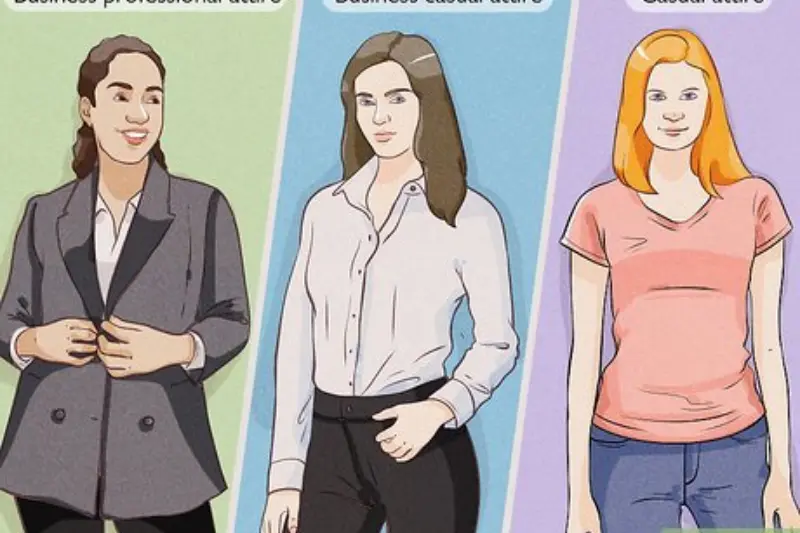
Formal wear refers to clothing designed for professional, ceremonial, or elegant occasions. It follows specific dress codes and emphasizes a neat, sophisticated appearance.
Common examples of formal wear include:
- Business suits
- Blazers
- Dress shirts
- Tailored trousers
- Formal dresses
- Pencil skirts
- Ties and bow ties
- Leather dress shoes
Formal clothing is often made from premium fabrics and features clean, structured designs.
What Is Casual Wear?
Casual wear is designed for comfort and everyday use. It allows greater flexibility in style while maintaining a neat appearance.
Popular casual clothing includes:
- T-shirts
- Polo shirts
- Jeans
- Shorts
- Hoodies
- Sweatshirts
- Sneakers
- Casual dresses
Casual wear reflects personal style and is suitable for relaxed environments.
Formal vs Casual Wear: Key Differences
The biggest difference in formal vs casual wear is the level of sophistication. Formal clothing follows strict dress codes and is appropriate for professional or ceremonial settings, while casual clothing prioritizes comfort and relaxed styling.
Understanding these differences helps you choose the right outfit for every occasion.
Appearance
Formal Wear
Formal clothing creates a polished and professional image.
Characteristics include:
- Structured tailoring
- Neutral colors
- Elegant fabrics
- Minimal patterns
- Clean lines
Formal outfits are designed to leave a positive impression.
Casual Wear
Casual clothing has a relaxed appearance.
Features include:
- Comfortable fabrics
- Bright colors
- Graphic prints
- Relaxed silhouettes
- Trendy designs
Casual wear allows greater creativity and self-expression.
Comfort
Comfort is an important factor in the formal vs casual wear comparison.
Formal Wear Comfort
Formal clothing often fits closer to the body and uses structured fabrics. While modern tailoring improves comfort, it may still feel less relaxed than casual clothing.
Casual Wear Comfort
Casual outfits are designed for movement and everyday activities. Soft fabrics like cotton and jersey make casual clothing ideal for extended wear.
For all-day comfort, casual wear generally has the advantage.
You may also like these posts:
Must Have Wardrobe Basics for Every Closet
Wardrobe Staples for Women: Timeless Essentials
Wardrobe Staples for Women: Timeless Essentials
Wardrobe Staples for Men: Timeless Essentials
Best Occasions for Formal Wear
Formal clothing is appropriate for:
- Business meetings
- Job interviews
- Weddings
- Award ceremonies
- Formal dinners
- Graduation ceremonies
- Corporate events
- Religious ceremonies
Dressing formally demonstrates professionalism and respect for the occasion.
Best Occasions for Casual Wear
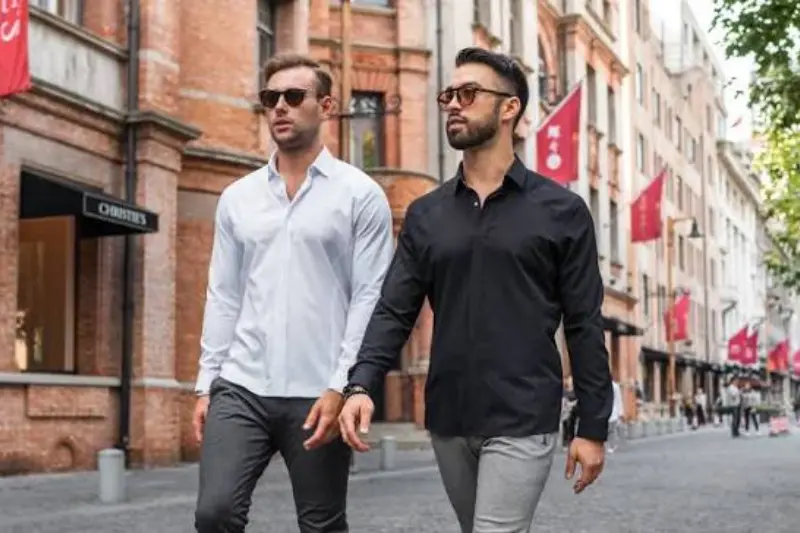
Casual clothing works well for:
- Shopping trips
- Weekend outings
- Coffee dates
- Family gatherings
- Traveling
- Picnics
- Casual office environments
- Everyday activities
Its relaxed style makes it suitable for most informal settings.
Essential Formal Clothing
Every wardrobe should include these formal essentials:
For Men
- Tailored suit
- White dress shirt
- Navy blazer
- Dress trousers
- Leather belt
- Oxford shoes
- Silk tie
For Women
- Blazer
- Pencil skirt
- Tailored trousers
- White blouse
- Little black dress
- Closed-toe heels
- Structured handbag
These pieces provide a strong foundation for formal dressing.
Essential Casual Clothing
Casual wardrobes should include versatile basics.
For Men
- Plain T-shirts
- Polo shirts
- Jeans
- Chinos
- Hoodies
- Sneakers
For Women
- T-shirts
- Jeans
- Leggings
- Casual dresses
- Cardigans
- Sneakers
- Flats
These essentials make everyday dressing simple and comfortable.
Footwear Comparison
Footwear plays an important role in formal vs casual wear.
Formal Shoes
Popular options include:
- Oxford shoes
- Derby shoes
- Loafers
- Pumps
- Closed-toe heels
These shoes complement professional attire.
Casual Shoes
Common choices include:
- Sneakers
- Canvas shoes
- Slip-ons
- Sandals
- Casual boots
Casual footwear focuses on comfort and versatility.
Accessories
Accessories complete every outfit.
Formal Accessories
Include:
- Watches
- Leather belts
- Ties
- Cufflinks
- Structured handbags
- Pearl jewelry
Casual Accessories
Popular choices include:
- Baseball caps
- Crossbody bags
- Backpacks
- Sunglasses
- Minimal jewelry
The right accessories enhance both formal and casual outfits.
Fabrics Used
Different fabrics suit different dress codes.
Formal Wear Fabrics
- Wool
- Silk
- Satin
- Linen
- High-quality cotton
Casual Wear Fabrics
- Cotton
- Denim
- Jersey
- Fleece
- Polyester blends
Fabric choice affects comfort, durability, and appearance.
Color Choices
Formal Wear Colors
Formal outfits usually feature:
- Black
- Navy
- Gray
- White
- Beige
These classic shades create a sophisticated appearance.
Casual Wear Colors
Casual wardrobes allow greater variety, including:
- Blue
- Green
- Red
- Yellow
- Pink
- Printed patterns
Bright colors and unique prints are more acceptable in casual settings.
Pros and Cons of Formal Wear
Pros
- Professional appearance
- Timeless style
- Suitable for important events
- Creates a polished image
- Boosts confidence
Cons
- Less comfortable
- More expensive
- Requires regular maintenance
- Limited styling flexibility
Pros and Cons of Casual Wear
Pros
- Comfortable
- Easy to style
- Affordable
- Great for everyday use
- Wide variety of designs
Cons
- Not suitable for formal occasions
- Can appear too relaxed
- Less appropriate for professional environments
Can You Mix Formal and Casual Wear?
Yes. Smart casual fashion combines elements of both styles.
Popular combinations include:
- Blazer with jeans
- Polo shirt with chinos
- White sneakers with tailored trousers
- Button-down shirt with dark denim
- Midi dress with a denim jacket
This approach creates stylish outfits that balance sophistication and comfort.
How to Choose the Right Style
Choosing between formal vs casual wear depends on several factors:
- The event or occasion
- Workplace dress code
- Weather conditions
- Comfort preferences
- Personal style
Always consider where you’re going before selecting your outfit.
Common Dressing Mistakes
Avoid these mistakes when choosing your outfit:
- Wearing casual clothes to formal events.
- Overdressing for casual gatherings.
- Ignoring the dress code.
- Choosing the wrong footwear.
- Wearing wrinkled or poorly fitted clothing.
Paying attention to these details helps you make a positive impression.
Frequently Asked Questions
What is the difference between formal and casual wear?
The main difference is that formal wear is designed for professional and special occasions, while casual wear focuses on comfort and everyday activities.
Can I wear sneakers with formal clothing?
Traditional formal outfits usually require dress shoes, but smart-casual styles may allow clean, minimalist sneakers.
Is business casual considered formal?
Business casual falls between formal and casual wear. It combines professional clothing with more relaxed pieces.
What are examples of casual wear?
Examples include T-shirts, jeans, hoodies, sneakers, polo shirts, shorts, and casual dresses.
Why is understanding formal vs casual wear important?
Knowing the difference between formal vs casual wear helps you dress appropriately for different occasions, create a positive impression, and feel confident wherever you go.
Conclusion
The formal vs casual wear comparison highlights the importance of dressing appropriately for different situations. Formal wear offers elegance, professionalism, and sophistication, making it perfect for business and special occasions. Casual wear provides comfort, flexibility, and personal expression, making it ideal for everyday life.
A balanced wardrobe should include both styles so you’re prepared for every event. By understanding the strengths of each, you can confidently choose outfits that suit the occasion while reflecting your personality and fashion sense.