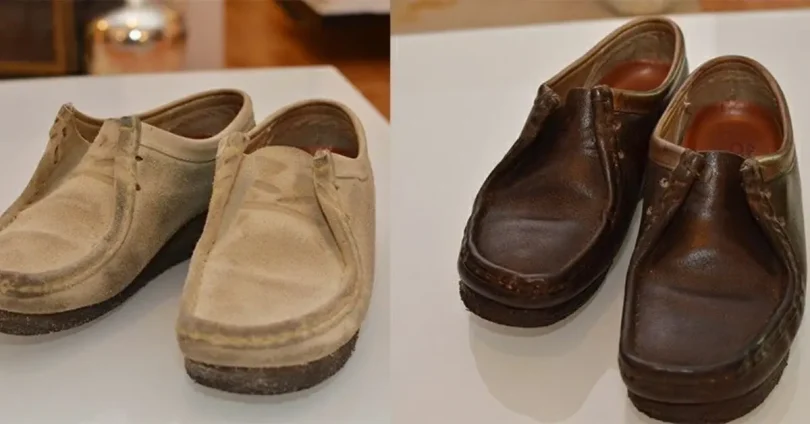

Choosing the right pair of shoes involves more than just picking a style you like. The material plays a major role in determining comfort, durability, maintenance, and overall appearance. Two of the most popular materials used in footwear are leather and suede. While both are made from animal hides, they have different textures, strengths, and care requirements. Understanding the differences between leather vs suede shoes can help you make a smart buying decision.
Leather is often associated with durability and a polished appearance, making it a favorite for formal shoes and everyday footwear. Suede, on the other hand, offers a soft texture and a more relaxed, fashionable look that is popular for casual and smart-casual outfits. Each material has its own advantages and disadvantages depending on your lifestyle and personal preferences.
In this guide, we’ll compare leather vs suede shoes in detail, covering their appearance, comfort, durability, maintenance, water resistance, pricing, and best uses so you can decide which option suits you best.
What Are Leather Shoes?
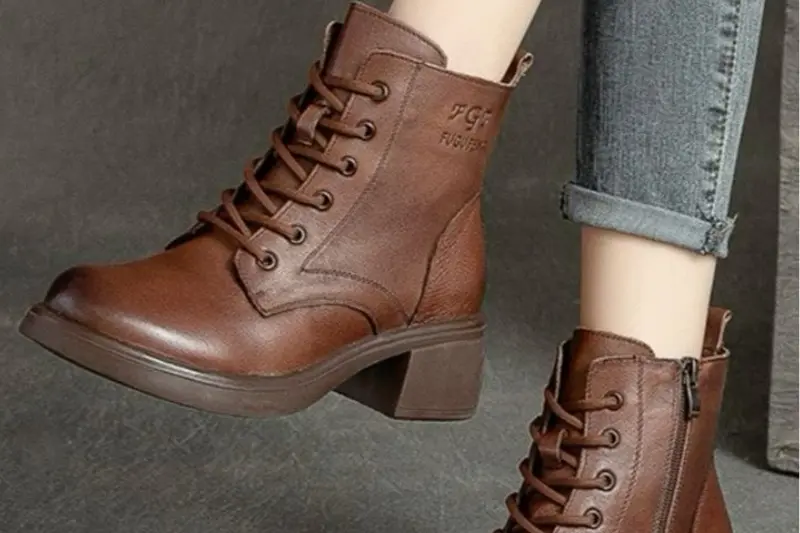
Leather shoes are made from the outer layer of animal hide, usually cowhide, which is treated through a tanning process to create a durable and smooth surface. Leather has been used in footwear for centuries because of its strength, flexibility, and classic appearance.
Most formal shoes, office shoes, boots, and luxury footwear are made from leather due to its premium look and long lifespan.
What Are Suede Shoes?
Suede shoes are made from the inner side of animal hide, giving them a soft, velvety texture. Unlike smooth leather, suede has a brushed finish that provides a more casual and stylish appearance.
Suede is commonly used in loafers, sneakers, boots, and fashion shoes. It offers a unique texture that adds character to many outfits.
Leather vs Suede Shoes: Key Differences
The biggest difference in leather vs suede shoes is their texture and durability. Leather has a smooth and polished finish, while suede has a soft, fuzzy surface. Leather generally performs better in wet weather and is easier to clean, whereas suede requires more careful maintenance to preserve its appearance.
Understanding these differences helps you choose the right material based on where and how you plan to wear your shoes.
Appearance and Style
Leather Shoes
Leather shoes have a sleek and sophisticated appearance that makes them suitable for:
- Business meetings
- Formal events
- Weddings
- Office wear
- Professional settings
They pair well with suits, dress pants, and business casual outfits.
Suede Shoes
Suede shoes have a softer, more relaxed appearance that works well with:
- Jeans
- Chinos
- Casual trousers
- Smart-casual outfits
- Weekend wear
When comparing leather vs suede shoes, leather is usually the better choice for formal occasions, while suede shines in casual and fashionable settings.
Comfort
Comfort depends on the shoe’s construction, but the material also plays a role.
Leather Comfort
Leather gradually molds to your feet after a short break-in period, creating a custom fit. High-quality leather shoes become more comfortable over time.
Suede Comfort
Suede is naturally softer from the beginning and often feels comfortable without requiring much break-in time.
In the leather vs suede shoes comparison, suede often feels softer initially, while leather offers long-term comfort as it adapts to your feet.
You may also like these posts:
Wardrobe Staples for Women: Timeless Essentials
Wardrobe Staples for Women: Timeless Essentials
Wardrobe Staples for Men: Timeless Essentials
Nike vs Adidas: Which Brand Is Better?
Durability
Durability is one of the biggest differences between these two materials.
Leather Durability
Leather is highly durable and resistant to daily wear when properly maintained. Quality leather shoes can last for many years with regular polishing and conditioning.
Suede Durability
Suede is more delicate and can show signs of wear more quickly. It is more vulnerable to scratches, stains, and moisture.
If durability is your top priority, leather generally outperforms suede.
Water Resistance
Weather conditions are an important consideration.
Leather Shoes
Leather naturally provides better protection against water. Applying leather conditioner and waterproof polish further improves its resistance.
Suede Shoes
Suede absorbs moisture more easily, which can lead to stains and damage. Waterproof sprays help protect suede, but it should still be kept away from heavy rain.
In terms of water resistance, leather is the clear winner in the leather vs suede shoes comparison.
Maintenance and Cleaning
Caring for Leather Shoes
Leather shoes are relatively easy to maintain.
Basic care includes:
- Wiping away dirt
- Applying leather conditioner
- Using shoe polish
- Storing with shoe trees
Caring for Suede Shoes
Suede requires more attention.
Maintenance includes:
- Brushing with a suede brush
- Using a suede eraser for stains
- Applying waterproof spray
- Avoiding water exposure
Regular care helps suede maintain its soft appearance.
Breathability
Both materials offer good breathability.
Leather provides natural airflow while maintaining durability.
Suede, because of its softer texture, often feels slightly more breathable during warmer weather.
Price Comparison
Pricing depends on the brand and craftsmanship rather than the material alone.
Leather shoes are often more expensive because of their durability and premium finish.
Suede shoes are available across a wide price range, from affordable casual footwear to luxury designer options.
When evaluating leather vs suede shoes, quality construction is more important than price alone.
Best Occasions for Leather Shoes
Leather shoes are ideal for:
- Office wear
- Weddings
- Formal dinners
- Business meetings
- Interviews
- Professional events
Their polished appearance complements formal clothing.
Best Occasions for Suede Shoes
Suede shoes work well for:
- Casual outings
- Weekend gatherings
- Coffee dates
- Smart-casual events
- Travel
- Everyday fashion
They add texture and personality to relaxed outfits.
Pros and Cons of Leather Shoes
Pros
- Highly durable
- Easy to maintain
- Water resistant
- Professional appearance
- Long lifespan
Cons
- May require a break-in period
- Usually more expensive
- Can feel heavier than suede
Pros and Cons of Suede Shoes
Pros
- Soft texture
- Comfortable from the first wear
- Stylish appearance
- Lightweight
- Great for casual fashion
Cons
- Difficult to clean
- Easily stained
- Less water resistant
- Requires more maintenance
Which Material Should You Choose?
The choice between leather vs suede shoes depends on your lifestyle.
Choose leather if you:
- Need formal footwear
- Want maximum durability
- Live in a rainy climate
- Prefer easy maintenance
Choose suede if you:
- Prefer casual style
- Enjoy textured footwear
- Want lightweight comfort
- Mostly wear shoes in dry weather
Many people choose to own both types because they serve different purposes.
Tips for Making Your Shoes Last Longer
No matter which material you choose, proper care extends the life of your shoes.
Helpful tips include:
- Clean shoes regularly.
- Store them in a cool, dry place.
- Use shoe trees.
- Rotate between multiple pairs.
- Apply protective products designed for the material.
Good maintenance keeps both leather and suede shoes looking their best.
Frequently Asked Questions
Which is better, Nike or Adidas?
The answer depends on your needs. Nike is often preferred for sports performance, while Adidas is known for comfort and classic style.
Are Nike shoes more comfortable than Adidas?
Nike offers responsive cushioning for athletes, while Adidas is often praised for soft cushioning and all-day comfort.
Which brand is better for running?
Both brands make excellent running shoes. Nike focuses on speed and responsiveness, while Adidas emphasizes cushioning and comfort.
Are leather shoes more expensive than suede?
In many cases, leather shoes cost more due to their durability and premium finish, though prices vary by brand and craftsmanship.
Why is the leather vs suede shoes comparison important?
Understanding leather vs suede shoes helps you choose the right material based on durability, comfort, maintenance, style, and the occasions where you’ll wear them most.
Conclusion
The leather vs suede shoes debate comes down to your personal needs and style preferences. Leather shoes offer excellent durability, water resistance, and a polished appearance, making them perfect for professional and formal settings. Suede shoes provide exceptional comfort, a unique texture, and a relaxed style that works well for casual occasions.
If possible, having both leather and suede shoes in your collection gives you the flexibility to dress appropriately for different events and seasons. By understanding the strengths and weaknesses of each material, you can confidently choose the footwear that best fits your wardrobe and lifestyle.